A New Standard for Battery Validation in Electric Mobility

Electric vehicle battery systems are becoming increasingly complex, with higher energy densities, tighter safety margins, and evolving performance expectations. Ensuring consistency across cells, modules, and battery packs requires precise, scalable, and highly reliable testing systems.

At Infiwave, we provide advanced EV battery testing solutions that enable manufacturers to detect micro-level variations, validate performance, and ensure safety across the entire battery lifecycle.

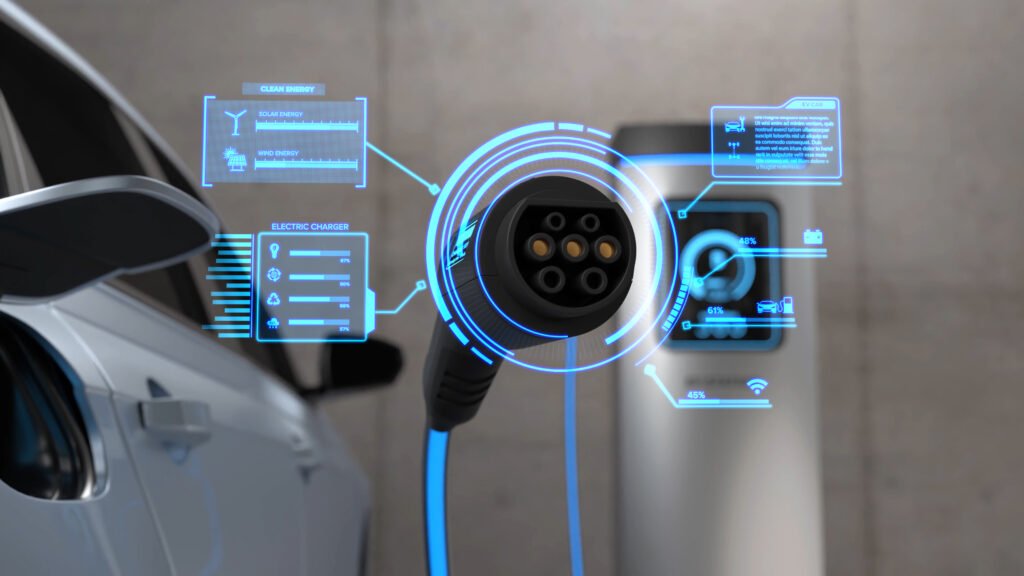
electric vehicle charger plug with digital display

Addressing Modern EV Battery Testing Challenges

As battery technologies evolve, testing requirements must keep pace. Manufacturers today require systems that can:

  • Detect minute electrical anomalies at the cell level
  • Scale seamlessly from R&D to high-volume production
  • Integrate with automated and complex test environments
  • Deliver high accuracy, repeatability, and uptime

Even the smallest variation in voltage, resistance, or temperature can impact the performance and safety of the entire battery system.

Comprehensive EV Battery Test Solution

Battery Characterization & Electrical Measurement

Accurate electrical measurement forms the foundation of EV battery validation. Our capabilities include:

  • Open Circuit Voltage (OCV) measurement for battery grading
  • DC internal resistance and impedance testing
  • Charge and discharge profiling under static and dynamic loads
  • Self-discharge analysis and leakage detection

These measurements enable early identification of defective cells and ensure consistent pack performance.

Battery Cycling, Formation & Aging

Battery performance is defined over time. We simulate real-world operating conditions through:

  • Formation and aging cycle testing
  • High-precision charge/discharge cycling
  • State of Charge (SoC) and State of Health (SoH) evaluation

Formation and cycling are critical stages that directly influence long-term battery  and reliability.

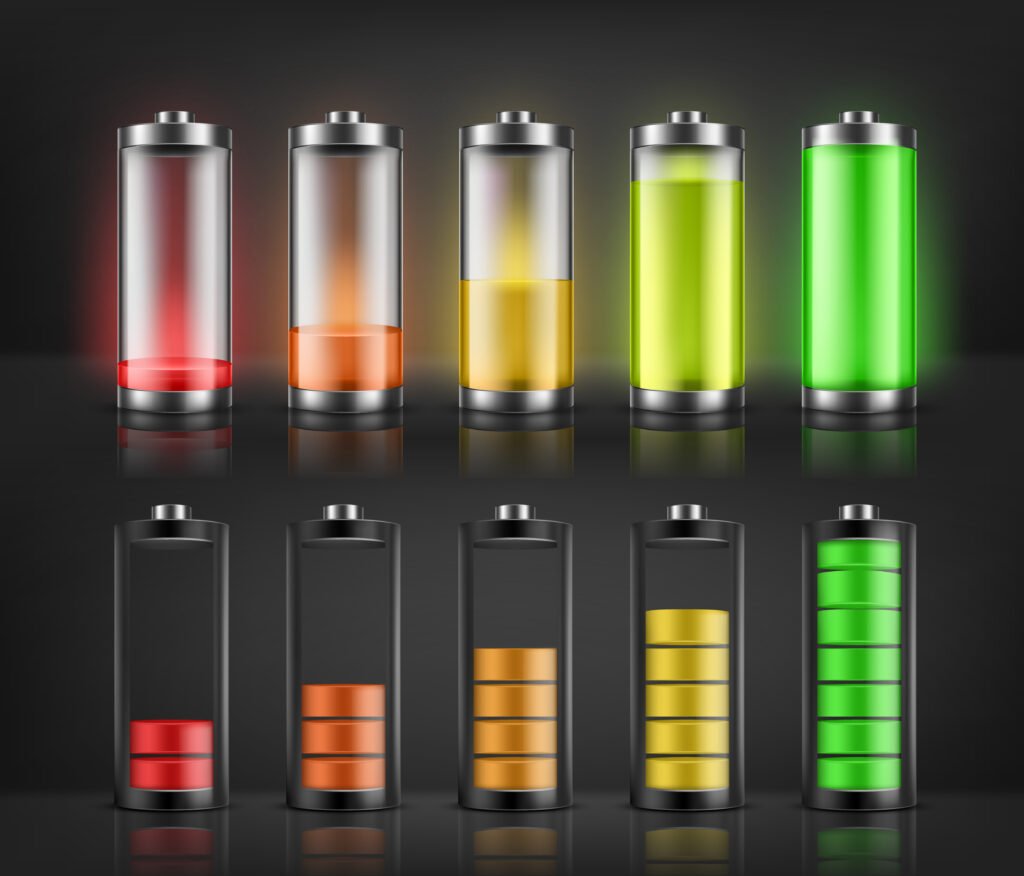
vector set of battery charge indicators

Battery Pack & System-Level Testing

Testing at system level ensures the reliability of fully integrated battery packs:

  • Full pack charge/discharge simulation
  • Dynamic load response testing
  • Battery management system (BMS) validation
  • High-voltage and high-power performance testing

Advanced systems enable controlled energy flow, simulating real driving conditions and load variations.

Thermal & Environmental Testing

Battery safety and efficiency are highly temperature-dependent. Our testing includes:

  • Multi-point temperature monitoring
  • Thermal profiling under load conditions
  • Environmental simulation (temperature, humidity, stress)
  • Thermal runaway detection indicators

Temperature behaviour is a key indicator of battery health and potential failure risks.

Mechanical & Interconnection Testing

Reliable electrical connections are essential for safe battery operation:

  • Weld integrity testing (tab and busbar connections)
  • Low-resistance measurement for joint quality
  • Detection of micro-ohmic variations

Poor connections can increase resistance, generate heat, and lead to critical failures

Insulation & Safety Testing

Ensuring electrical isolation and safety compliance is critical:

  • Insulation resistance testing
  • Short-circuit detection and analysis
  • Overvoltage and fault condition simulation

Proper insulation prevents hazardous failures and ensures system reliability.

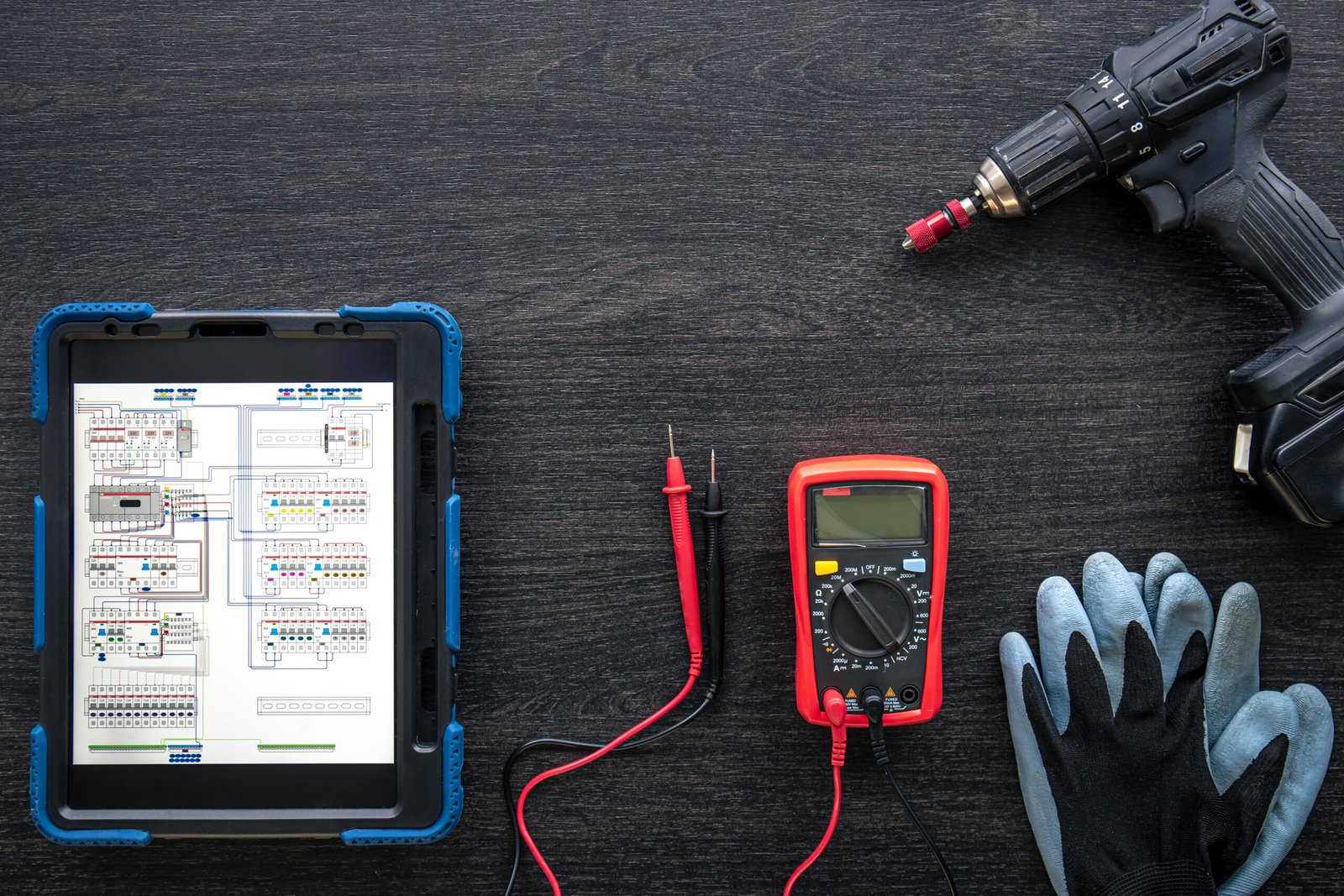
composition with digital tablet and electrician work items.

Battery Grading & Quality Control

Battery grading ensures that only high-performance cells are used in EV applications:

  • OCV-based classification (Grade A, B, C)
  • Detection of internal defects such as micro-shorts
  • Performance-based sorting for EV and second-life use

Accurate grading improves pack consistency and lifecycle performance.

Scalable & Energy-Efficient Test Infrastructure

Modern EV battery testing demands flexible and efficient systems:

  • Bidirectional power systems for charge and discharge
  • Regenerative energy capabilities to return power to the grid
  • Modular test setups for scaling from lab to production
  • Automated data acquisition and control systems

Energy recovery systems can significantly reduce operational costs while improving sustainability.

Applications

  • Electric Passenger & Commercial Vehicles
  • Electric Two & Three Wheelers
  • Battery Manufacturers & Integrators
  • Automotive OEMs & Tier Suppliers
  • Energy Storage Systems (ESS)

Why Infiwave

  • End-to-end validation from cell to full battery pack
  • High-precision instrumentation and automated testing
  • Scalable solutions for R&D, validation, and production
  • Strong focus on accuracy, safety, and reliability
  • Support for evolving EV technologies and standards
Infiwave Logo